Duck Spicy: The Modern Handwritten Typeface for Editorial Design
In the world of editorial design, where every pixel must serve a purpose and every line of text must guide the reader, finding the right typeface can be the difference between a flat layout and a compelling story. As someone who spends countless hours curating content for blogs, designing magazine covers, and structuring ebooks, I know that typography is not just about readability; it is about voice. This is where Duck Spicy steps in as a game-changer. It is a modern and cute handwritten display font that brings an immediate sense of personality to any publication, making it an essential asset for creators looking to elevate their visual identity.
The Personality Behind Duck Spicy
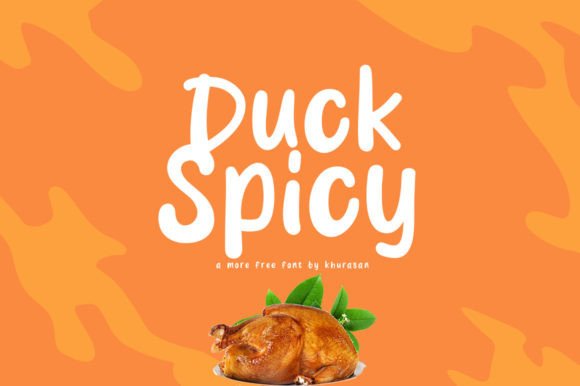
Duck Spicy is more than just a collection of letters; it is a mood. Its visual characteristics are defined by fluid strokes, varied line weights, and a playful yet professional handwritten aesthetic. Unlike rigid geometric sans serif fonts or overly formal serif fonts, this creative font offers a human touch that feels authentic and approachable. For editorial designers working on lifestyle magazines, recipe guides, or coaching workbooks, this personality is invaluable. It allows you to break the monotony of standard body text without sacrificing legibility in headlines.
The font's name suggests energy, and the design delivers. It is perfect for creating lovely designs that need to stand out in a crowded digital space. Whether you are crafting a newsletter header or a book cover, Duck Spicy acts as a visual anchor that draws the eye immediately. It bridges the gap between a casual doodle and a polished graphic element, making it ideal for projects that want to feel curated but not stiff.
Ideally Suited for Headings and Branding
When approaching a new project, one of the first decisions is establishing visual hierarchy. Duck Spicy excels at commanding attention for titles, subtitles, and section headers. Because it is a display font, it is not designed for long paragraphs of body copy. Instead, its strength lies in short bursts of text that set the tone for the content that follows. Imagine using it for the title of a downloadable worksheet, the main headline of a blog post, or the logo design for a small business brand identity.
In editorial layouts, consistency is key to building trust with your audience. By using Duck Spicy consistently across your publication branding—from your social media graphics to your printable planners—you create a cohesive experience. Readers begin to associate that specific handwritten style with your voice. For example, a wedding guide publisher could use this font for all chapter openers, instantly signaling a warm, personal narrative before the reader even begins the text.
Practical Applications in Publishing and Content Creation
The versatility of Duck Spicy makes it a practical choice for a wide range of content types. If you are a blogger, consider using it for your featured article titles or pull quotes that you want to emphasize. A handwritten font adds a layer of intimacy that helps readers connect with the author's perspective. In ebook creation, the font can transform a generic title page into something memorable, increasing the perceived value of your digital product.
For newsletter writers, this freebie is a powerful tool for engagement. A subject line or a call-to-action button styled with Duck Spicy can increase click-through rates by adding a friendly, inviting flair. Similarly, course creators can use it for module headers or certificate templates, ensuring that educational materials feel less corporate and more encouraging.
- Magazine Covers: Use the font for the masthead or feature story titles to create a trendy, modern look.
- Ebook Titles: Make your digital books pop on Amazon or your website with a unique, custom appearance.
- Quote Graphics: Pair the font with simple backgrounds to create shareable social media assets that capture attention.
- Printable Guides: Add a handcrafted feel to worksheets, planners, and checklists that users will want to keep.
Readability and Screen Considerations
While Duck Spicy is visually striking, it is crucial to understand its limitations regarding screen reading and mobile layouts. Display fonts like this should generally be reserved for large sizes. On smaller screens, such as smartphones, ensure that the font size is sufficient so that the intricate details of the handwriting do not become pixelated or illegible. When exporting PDFs for print, the high resolution will preserve the smooth curves of the letters, but always test your layouts on different devices to ensure the font renders correctly.
For longer reading sections, stick to a highly readable serif font or a clean sans serif font for your body copy. This contrast creates a balanced rhythm in your document. The decorative nature of Duck Spicy serves best when it acts as a spotlight, illuminating key information rather than competing with it.
Mastering Font Pairing for Editorial Success
The true power of a display font emerges when paired correctly. Since Duck Spicy has a distinct handwritten character, it pairs beautifully with neutral, structured typefaces. A classic combination would be pairing Duck Spicy with a traditional serif font for body text. This mimics the layout of high-end fashion magazines, where the headline is whimsical and the article text is grounded and serious.
Alternatively, for a more contemporary, tech-forward look, pair the font with a minimalist sans serif font. This works exceptionally well for digital products, web design, and modern newsletters. The clean lines of the sans serif font provide the necessary breathing room for the organic shapes of Duck Spicy to shine. When selecting a secondary font, look for one with a similar x-height to ensure that the transition between headings and body text feels natural and harmonious.
Licensing and Commercial Use
As a creator, understanding the licensing terms of your design assets is non-negotiable. While many fonts found in the "Freebies" category are available for personal use, commercial applications often require specific permissions. Before using Duck Spicy in a paid ebook, a client publication, or a template sold on a marketplace, verify the license agreement included with the download. Most modern fonts allow for commercial use, but some may restrict the number of impressions or require attribution. Ensuring you have the correct rights protects your brand and prevents legal issues down the line.
Whether you are designing a logo, a banner, or a full editorial spread, Duck Spicy offers a fresh perspective that resonates with modern audiences. It is a testament to how a single typeface can influence the entire tone of a publication. By integrating this creative font into your workflow, you add a layer of warmth and authenticity that purely mechanical fonts simply cannot achieve. For publishers and designers seeking to enhance reader engagement and strengthen their brand identity, exploring the potential of Duck Spicy is a step toward more impactful design.